Case Study: Successful Implementation of Vending Solutions in a Small Office


Introduction
In today's fast-paced world, convenience is key, especially in the workplace. For small offices, providing quick and easy access to snacks and beverages can enhance employee satisfaction and productivity. This case study explores the successful implementation of vending solutions in a small office setting, highlighting the benefits and challenges faced during the process.
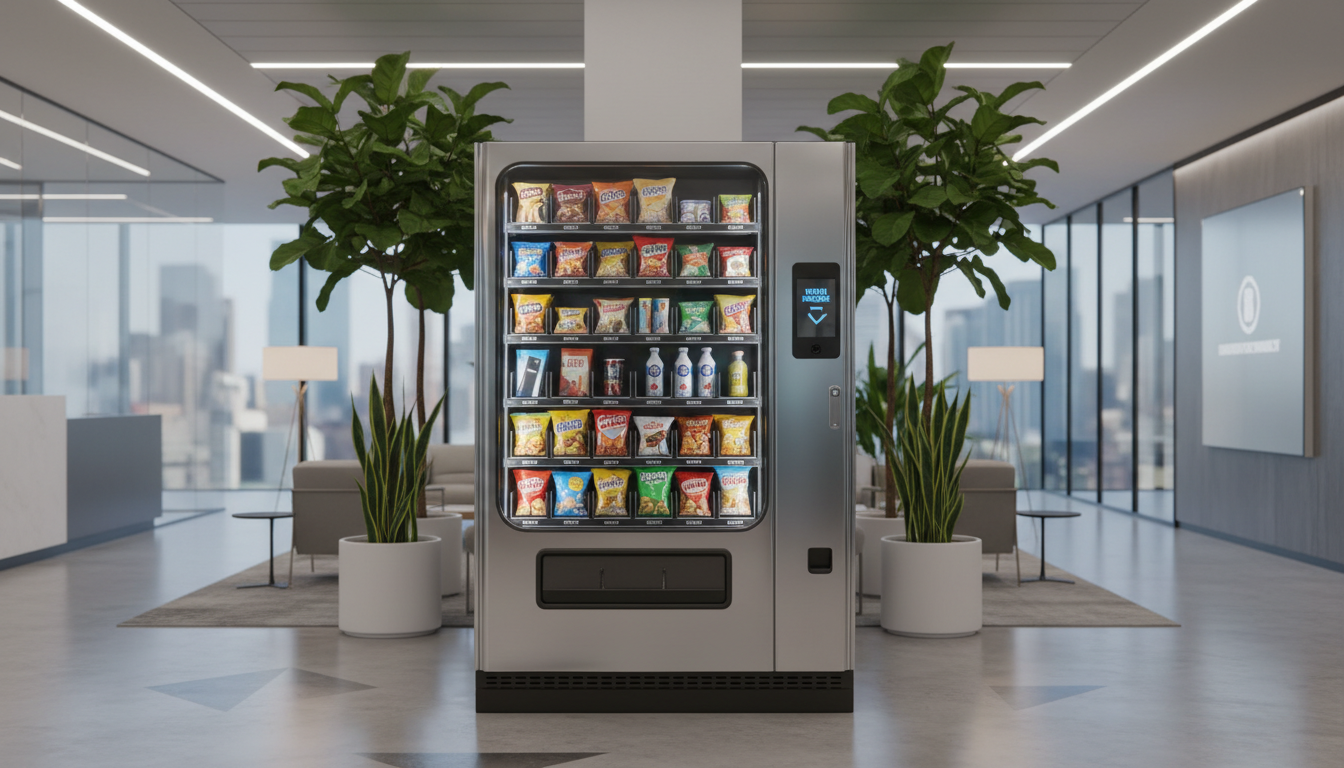
Understanding the Need
The small office in question had around 30 employees who often found themselves short on time during breaks. With limited options nearby, there was a clear need for a convenient solution to keep employees fueled and energized throughout the day. The decision to implement vending machines was driven by the desire to improve the work environment and employee morale.
Initial Challenges
Like any new initiative, introducing vending solutions came with its own set of challenges. Space was a significant concern, as the office layout was compact. Ensuring that the vending machines were accessible yet unobtrusive was crucial. Additionally, choosing the right mix of products to cater to diverse preferences required careful consideration.
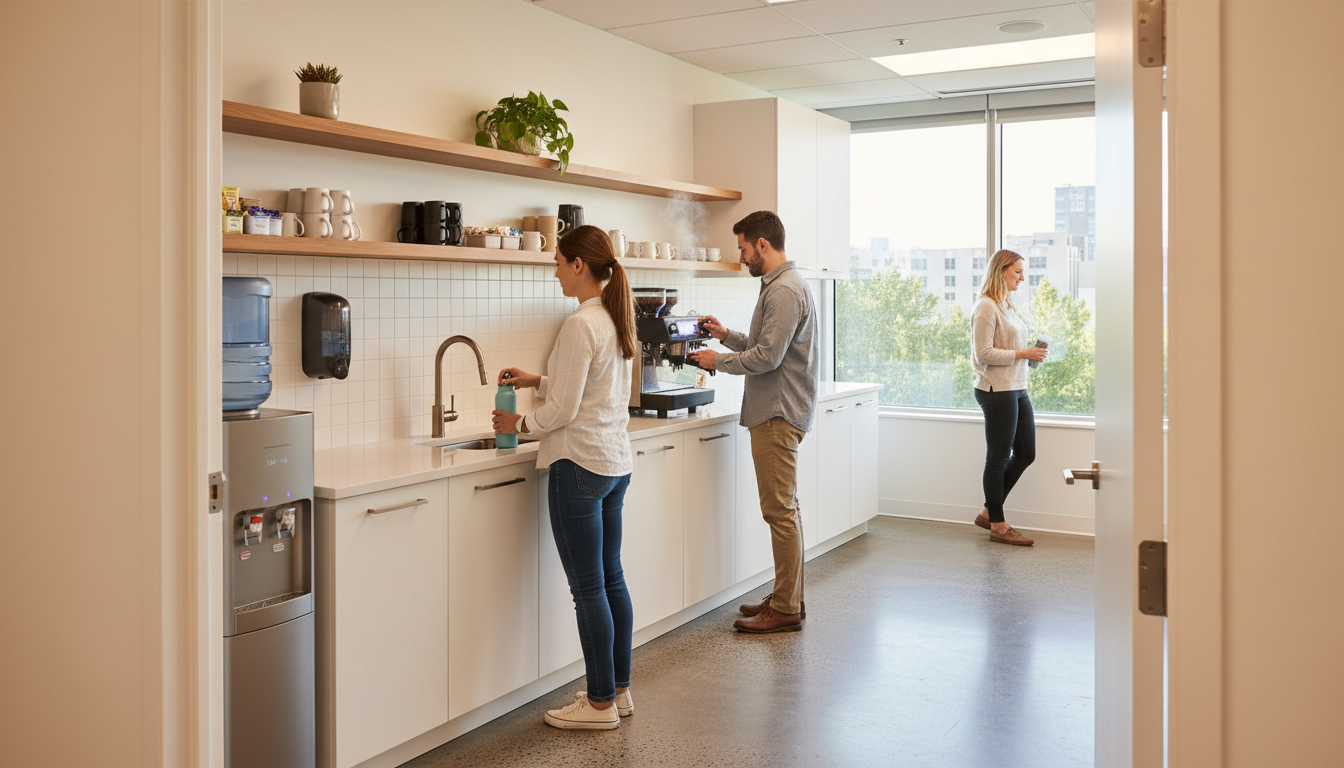
Implementation Process
The implementation process began with selecting a reliable vending service provider. The chosen company offered a range of machines suitable for small spaces and provided customization options to match the office's specific needs. The next step was determining the ideal location for the machines to maximize accessibility without disrupting the office flow.
Product Selection
To ensure satisfaction, a survey was conducted among employees to gather preferences for snacks and beverages. The results informed the selection of products, which included healthy snacks, traditional favorites, and a variety of drinks. This inclusive approach helped in stocking the machines with items that catered to everyone's tastes.

Benefits Realized
Once the vending solutions were in place, the office quickly began to see numerous benefits. Employees appreciated the convenience of having quick access to refreshments, which reduced the need for lengthy breaks and improved overall productivity. This easy access to snacks and drinks also fostered a more positive work environment.
Positive Feedback
The feedback from employees was overwhelmingly positive. Many highlighted the time saved during breaks and the improved availability of healthier snack options. The presence of vending machines also encouraged social interaction as employees often gathered around them, enhancing team cohesion.
Conclusion
The successful implementation of vending solutions in this small office serves as an excellent example of how thoughtful amenities can significantly improve workplace satisfaction. By addressing initial challenges and focusing on employee preferences, the office was able to create a more convenient and enjoyable work environment.
For any small office considering similar solutions, this case study underscores the importance of understanding specific needs, careful planning, and engaging employees in the decision-making process to achieve the best results.